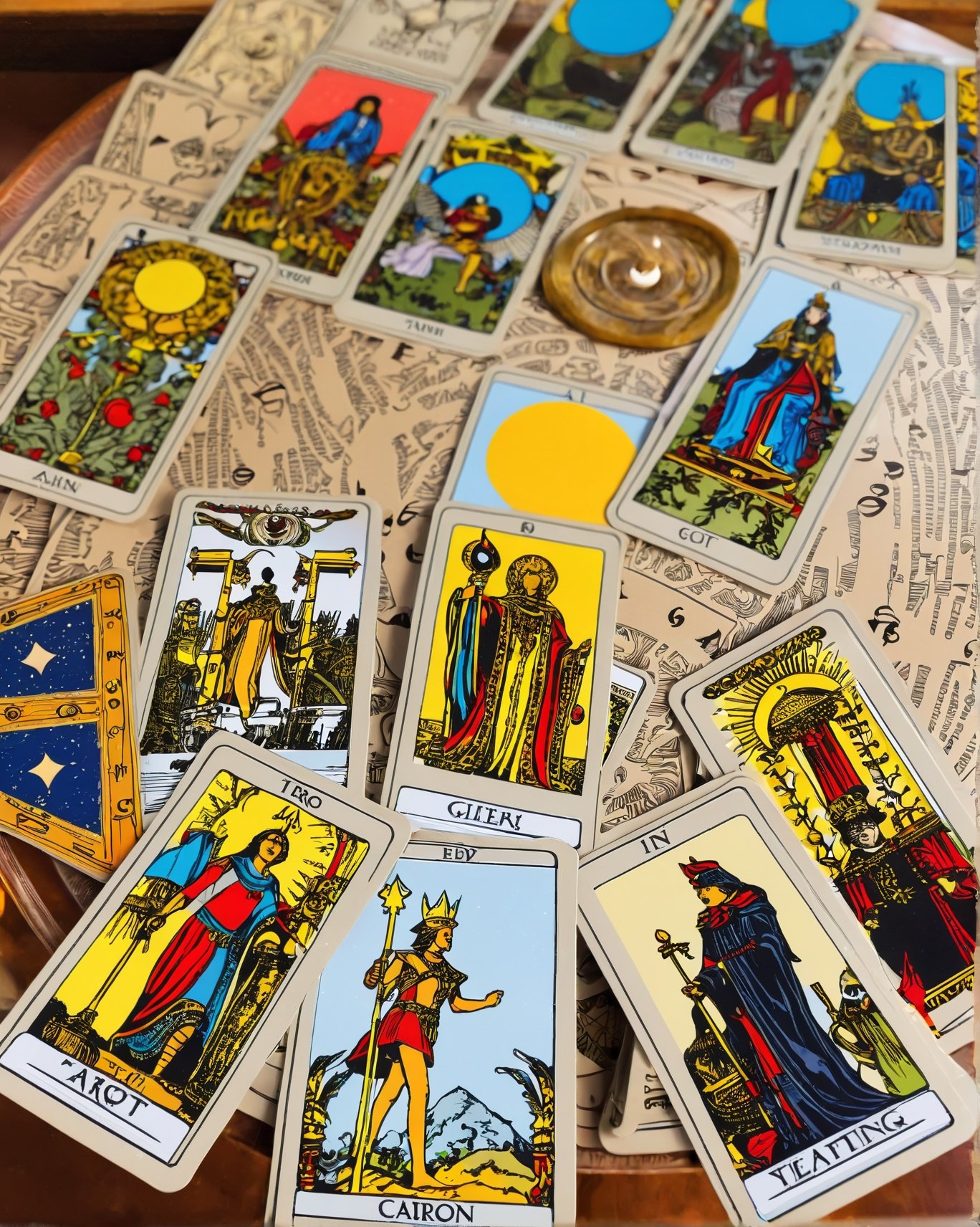
Tarot is far more than a deck of pretty pictures. It is a structured system of symbols, archetypes, and intuition that people have used for centuries to gain clarity, make decisions, and understand themselves on a deeper level. Whether you are a curious beginner or someone considering a professional reading, understanding how tarot actually works can radically change what you get out of every session.
The Reading Process, Step by Step
A typical reading begins with the querent — the person asking the question. Defining the question clearly matters more than most people realise, because the whole reading is shaped around it. A vague query such as “tell me about my life” produces vague answers, while a focused question such as “what is blocking me at work right now?” gives the reader something concrete to work with.
Step 1: Framing the question
Good readers help you refine your question before any cards are drawn. Open-ended questions that begin with “what”, “how”, or “why” tend to unlock richer guidance than yes-or-no questions, which tend to lock the reading into a single flat answer.
Step 2: Choosing a spread
The spread is the layout in which cards are placed, and each position in the spread carries its own meaning. The Three-Card Spread, for instance, is commonly read as Past, Present, and Future — while the larger Celtic Cross explores ten positions covering influences, hopes, fears, and outcomes. Choosing the right spread is an art in itself, because the layout should mirror the shape of the question being asked.
Step 3: Shuffling with intention
The reader shuffles the cards while holding the focus of the question in mind. Many readers believe this is where the energy exchange happens: the shuffle aligns the deck with the situation, letting the cards that “need” to appear come forward. The shuffle is not random in the truest sense — it is intentional.
Step 4: Drawing and interpreting
Once the cards are placed, interpretation begins. Every card has a traditional meaning, but a skilled reader blends that book meaning with intuition, the position of the card, neighbouring cards, and the tone of the whole layout. Interpretation is storytelling: the reader weaves the individual card meanings into one coherent narrative that speaks personally to the querent.
How Cards Speak Together
Cards rarely stand alone. A card that looks intimidating on its own — such as the Death card, which actually symbolises transformation and endings of a phase — can change meaning completely depending on what surrounds it. Readers look for patterns: recurring suits, repeating numbers, or clusters of Major Arcana cards that signal deeper life lessons at play.
- Major Arcana clusters point to big-picture life themes and spiritual milestones.
- Repeated numbers (three Threes, two Nines) highlight a dominant message.
- Heavy Cups presence signals an emotionally charged situation.
- Heavy Swords presence suggests mental stress or decisions that need clear thinking.
The Reader–Querent Energy Exchange
Tarot practitioners often describe a session as a two-way exchange rather than a lecture. When both the reader and the querent are open, calm, and genuinely curious, the reading tends to feel more accurate and useful. Skepticism is fine — in fact, a healthy amount of it keeps you grounded — but a defensive or distracted attitude will close off the very insights the reading is meant to reveal.
The practical outcome of a good reading is rarely a guaranteed prediction. Far more often it is an improved perspective: a clearer view of the choices in front of you, the hidden dynamics in a relationship, or the fears quietly steering your decisions. That clarity is what makes a reading feel “life-changing”, and it is the reason tarot has survived centuries of changing fashions.
Frequently Asked Questions
Does tarot predict the future?
Tarot is better understood as a tool for insight than literal fortune-telling. The cards highlight tendencies, energies, and possible outcomes based on current circumstances, but your choices always remain yours.
Can I read for myself?
Absolutely. Self-reading is one of the best ways to learn, because you already know your own context. The challenge is remaining objective — which is why many readers also value occasional readings from someone else.
Is tarot against any religion?
Tarot is a neutral system of symbols; it is used by people of many faiths and by people with none. How you integrate it into your worldview is entirely personal.
Three Spreads Worth Knowing
- The One-Card Pull: ideal for daily guidance or a single focused question.
- The Three-Card Spread: past–present–future, or mind–body–spirit, or situation–action–outcome.
- The Celtic Cross: a ten-card layout offering a deep, panoramic view of a situation, from hidden influences to likely outcomes.
Reading Responsibly
A responsible reader never uses fear. Words like “this is doomed” have no place in ethical practice; instead the goal is to illuminate options and help the querent feel more empowered about their own choices. Reputable readers also avoid heavy-handed pronouncements about health, legal, or financial matters, referring serious concerns to qualified professionals. When a reading leaves you feeling clearer and calmer rather than anxious, you know the reader approached the cards responsibly.